Drift Off Differently: How Pairing Ambient Sound With Smart Light Is Changing the Way America Sleeps
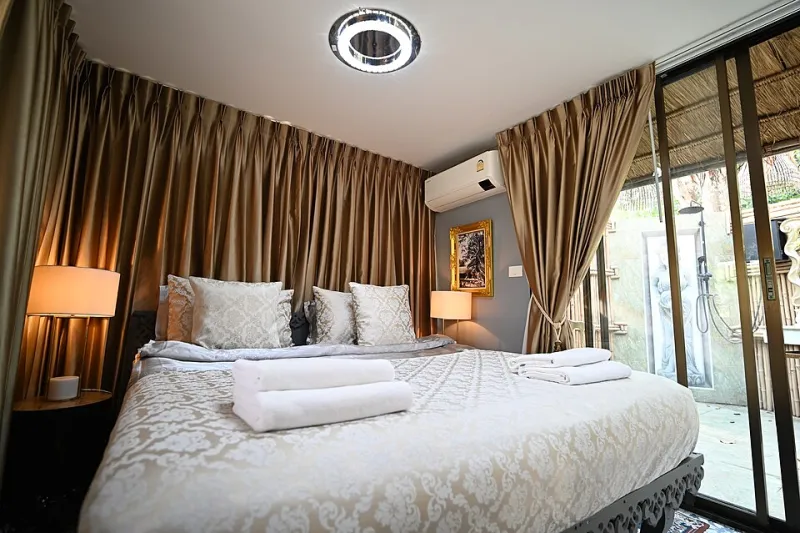
Photo: PattayaPatrol, CC BY-SA 4.0, via Wikimedia Commons
There's a moment most of us know too well. You're lying in bed, staring at the ceiling, brain running a highlight reel of everything you forgot to do, said wrong, or should probably worry about tomorrow. The room is dark — or at least mostly dark, because your phone is still glowing — and sleep feels like a destination you just can't quite reach.
For millions of Americans, that moment stretches into hours. The CDC estimates that roughly one in three U.S. adults don't get enough sleep on a regular basis. We've tried the chamomile tea. We've downloaded the meditation apps. But a growing community of sleep-focused wellness enthusiasts is now turning to something a little more immersive: the deliberate combination of ambient music and smart lighting, tuned together like instruments in an orchestra, to guide the brain gently toward rest.
And the science behind it? Surprisingly solid.
Why Light and Sound Are More Connected Than You Think
Here's something worth knowing: your brain doesn't just respond to light and sound separately. These two sensory inputs work together to regulate your internal clock — the circadian rhythm — which controls not only when you feel sleepy but also the quality of the sleep you actually get.
"Most people think of sleep hygiene as a checklist — dim the lights, put your phone down, maybe play some rain sounds," says Dr. Priya Mehta, a sleep researcher and wellness consultant based in Austin, Texas. "But what's exciting about the newer approaches is that they treat the sleep environment as a system. Light and sound aren't just background noise. They're inputs your nervous system is constantly reading."
The key player here is your body's production of melatonin, the hormone that signals it's time to wind down. Exposure to warm, low-intensity light in the evening — particularly light that shifts toward amber and red tones — encourages melatonin release, while blue-spectrum light (hello, phone screens) suppresses it. Pair that biology with what researchers call "pink noise" or slow-tempo ambient soundscapes, and you're essentially giving your nervous system a two-channel lullaby.
The Rise of the Curated Sleep Environment
Walk through any wellness-focused corner of TikTok or Reddit's r/sleep community and you'll find people sharing their "sleep setups" with the same enthusiasm others bring to home theater rigs. Smart bulbs from brands like Philips Hue and LIFX, programmed to shift color temperature automatically at sunset. Ambient music playlists built around drone tones, soft piano, and field recordings of forests or ocean surf. Some users are even syncing their lighting schedules with apps like f.lux or Sleep Cycle to create fully automated wind-down routines.
"I was skeptical at first," admits Marcus T., a 34-year-old graphic designer from Chicago who's been battling insomnia since his mid-twenties. "I thought it was kind of extra. But after two weeks of running a warm amber light fade starting at 9 p.m. alongside a Brian Eno-style ambient playlist, I was falling asleep about 40 minutes faster. That was huge for me."
Marcus isn't alone. Online forums dedicated to sleep wellness are full of similar testimonials from people who've tried everything and finally found something that clicked — not because of one change, but because of the combination.
What the Science Actually Says
Research into ambient sound and sleep is well-established at this point. Studies published in journals like Frontiers in Human Neuroscience have shown that slow-tempo music — think 60 to 80 beats per minute — can reduce cortisol levels and lower heart rate, two physiological markers that need to drop before quality sleep begins. Pink noise, a softer cousin of white noise, has been linked in some studies to improved deep sleep and even better memory consolidation overnight.
The light side of the equation is equally compelling. Research from Harvard Medical School and other institutions has reinforced that the color temperature of light matters enormously in the hours before bed. Warm tones (under 3,000 Kelvin) are significantly less disruptive to melatonin than the cool, blue-rich light most standard bulbs and screens emit.
What's newer — and what practitioners like Dr. Mehta find genuinely exciting — is the emerging work on how these two inputs interact. "When you're hearing something slow and enveloping at the same time your visual environment is softening and warming, you're creating a kind of multi-sensory signal to the brain," she explains. "It's like you're not just nudging the nervous system toward sleep from one direction. You're surrounding it."
Building Your Own Light-and-Sound Sleep Sanctuary
You don't need a high-tech setup or a big budget to try this yourself. Here's a simple framework to get started:
1. Start With the Light Swap at least one or two bedroom bulbs for smart bulbs that allow you to adjust color temperature. Set a schedule that gradually shifts from neutral white to warm amber beginning 90 minutes before your target bedtime. If smart bulbs aren't in the budget right now, even a simple salt lamp or a warm-toned incandescent can make a difference.
2. Choose Your Sound Intentionally Not all "relaxing" music is created equal for sleep. Look for ambient tracks or playlists that stay below 80 BPM, avoid sudden dynamic shifts, and lean into sustained tones rather than complex melodies. Artists like Brian Eno, Moby (his Long Ambients series was literally made for sleep), and Marconi Union are popular starting points. Streaming services like Spotify and Apple Music have dedicated sleep playlists worth exploring.
3. Sync Them Together The magic really happens when the two work in tandem. Try starting your ambient playlist at the same time your lights begin their warm-down fade. The goal is to create a consistent environmental cue your brain starts to associate with sleep — almost like training a reflex.
4. Give It Time This isn't a one-night fix. Sleep experts consistently emphasize that behavioral and environmental changes take at least two weeks to show meaningful results. Stick with it, and keep your routine consistent even on weekends.
5. Minimize Competing Inputs This one's obvious but worth saying: the light-and-sound approach works best when you're not also scrolling Instagram with the TV on in the background. The whole point is to reduce sensory competition, not add to it.
A New Kind of Bedtime Ritual
There's something almost poetic about the idea that light and music — two things that have defined human experience and creativity for centuries — are now being reimagined as tools for healing something as fundamental as sleep. At LightKnotes, that's a story we're genuinely here for.
Your bedroom doesn't have to be a battleground between you and your brain. With a little intention and the right combination of sound and light, it can become something closer to what it was always meant to be: a place where the noise of the day fades out, and something quieter — and a whole lot more restorative — gets a chance to take over.
Sweet dreams. You've earned them.